The size vs skill debate in NHL prospect evaluation is as old as the draft itself—but it’s never been more nuanced than it is today. With the game evolving toward speed, creativity, and positional fluidity, scouts and GMs are constantly weighing the trade-offs between physical dominance and finesse.

In my previous blog, I wrote about the landing spots for Gavin McKenna, who is the consensus Number 1 pick in 2026, but there are my top notch players to choose from in this draft after he gets selected. I will be going over the old size versus Skill debate, and how it can play a key role in deciding who remains a top 5, and those who fall out of the top 5 in the 2026 Draft. The players that are considered lottery picks are Keaton Verhoeff, Viggo Bjorck, Ethan Belchetz, Ryan Roobroeck, Daxon Rudolph, Brady Wassilyn, and Ivan Stenberg. Who gets drafted in the Top 5 will also depend on the team drafting, but this is based on a hypothetical scenario where a team would be forced to decide between a big forward, that is a complete player, but may have a lower ceiling, or a smaller, more skilled player, that has a higher ceiling.


The Size Advocates prefer durability, Defensive Ranger, and Playoff impact, while the Sill Advocateds prefer Speed & Creativity, Analytics, and proven success. Size Advocates say Size Advocates Say bigger players tend to withstand the rigors of an 82-game season and playoff grind. Size helps in board battles, net-front coverage, and reach—especially for defensemen. Smaller players often excel in transition and puck movement—key in today’s fast-paced NHL. Analytics Favor Skill; Possession metrics, zone entries, and shot creation often tilt toward smaller, more agile players. The size vs skill debate in NHL prospect evaluation is as old as the draft itself—but it’s never been more nuanced than it is today. With the game evolving toward speed, creativity, and positional fluidity, scouts and GMs are constantly weighing the trade-offs between physical dominance and finesse. According to recent research the average weight of first-round picks has dropped by over 10 pounds since the mid-2000s, while height has remained relatively stable. The number of players 5’10” or shorter selected in the top 16 has steadily increased—from 2 in 2004–09 to 11 in the most recent five-draft sample. Rebuilding teams are more willing to take smaller, high-upside players early, especially if they show elite hockey sense and compete level.
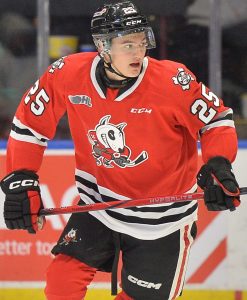
Today, scouts are looking for prospects that have high Hockey IQ, Relentless compete level, and play with Pace and adaptability. Modern teams aren’t choosing between size and skill—they’re chasing players who collapse the binary. Prospects such as Keaton Verhoeff (6’4″), Combines elite skating and puck movement with shutdown defense. Ryan Roobroeck (6’4″), is a goal-scorer with finesse and physicality. Braidy Wassilyn (6’2″) is another hybrid archetype, he is
a prototypical NHL forward who blends grit with offensive upside. Another Defensemen who fits the hybrid mold is Daxon Rudolph, right-shot defenseman with size (6’2″) and mobility. Scouts love his poise under pressure and
ability to quarterback the power play.

Size-First Archetypes such as Ethan Belchetz is a 6’5″, 228lb power forward with net front presence and grit; he is a lottery pick purely due to his frame, reach and ability to impose himself physically- especially in tight-checking or playoff-style hockey. These players are often projected as playoff assets—able to win board battles, dominate the crease, and wear down opponents over seven-game series. Players with Size and grit always seem to get drafted higher than then what their tape suggests, because bigger players often take a longer time to grow into that large frame. The Skill-first Archetypes, such as Viggo Björck and Ivar Stenberg are prospects who thrive on agility, vision, and puck control. They often drive play through transition and excel in open ice. These players are often the engines of puck possession systems, excelling in power play setups and transition-heavy schemes. The Skill based prototype has a significantly higher risk factor invloved because while some may become star players, some never are able to adjust the NHL’s more physcial style of play.
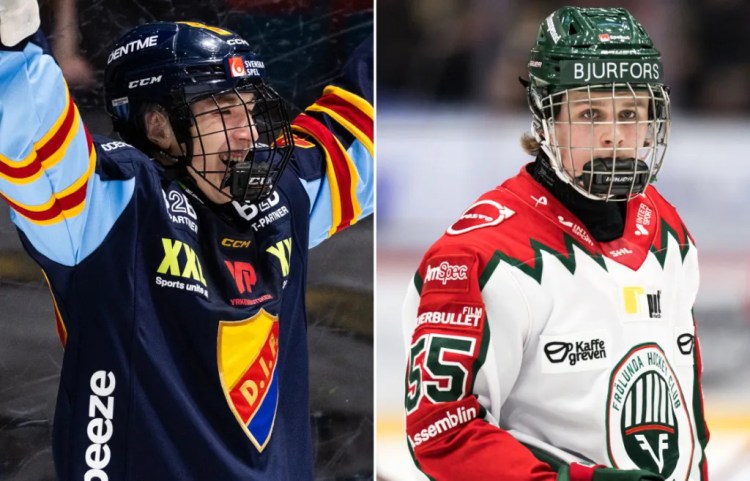
The most coveted prospects—like Keaton Verhoeff, Ryan Roobroeck, and Braidy Wassilyn—don’t force teams to choose between size and skill. They offer both, and that’s the new gold standard. The 2026 class is rich with hybrid archetypes who collapse the old dichotomy. Viggo Björck, and Ivar Stenberg prove that elite skill, even in smaller frames, is not just viable—it’s often game-changing. With analytics and pace-of-play trends favoring creativity and transition speed, these players are now top-5 locks, not second-round gambles. Prospects like Ethan Belchetz show that raw size can still be a weapon, especially in playoff-style hockey. Without skating and puck skills, it’s no longer enough, because the modern NHL demands movement, not just mass. Franchises rebuilding from the ground up may lean skill-first to maximize upside and system flexibility. Contenders or teams with physical cores may prioritize size to complement existing rosters. The draft is no longer about absolutes—it’s about fit, philosophy, and projection.


 HockeywizScouts
One thought on “THE SIZE VS SKILL DEBATE: 2026 EDITION”